Roofing Guide for Putnam County, Indiana: Repairs, Replacement and Storm Response
This guide gives property owners in Putnam County a practical starting point for understanding roof issues, planning the next step, and knowing what to ask before they approve any work.
By Sealed Solutions Roofing, serving Putnam County, IN · Updated October 2026
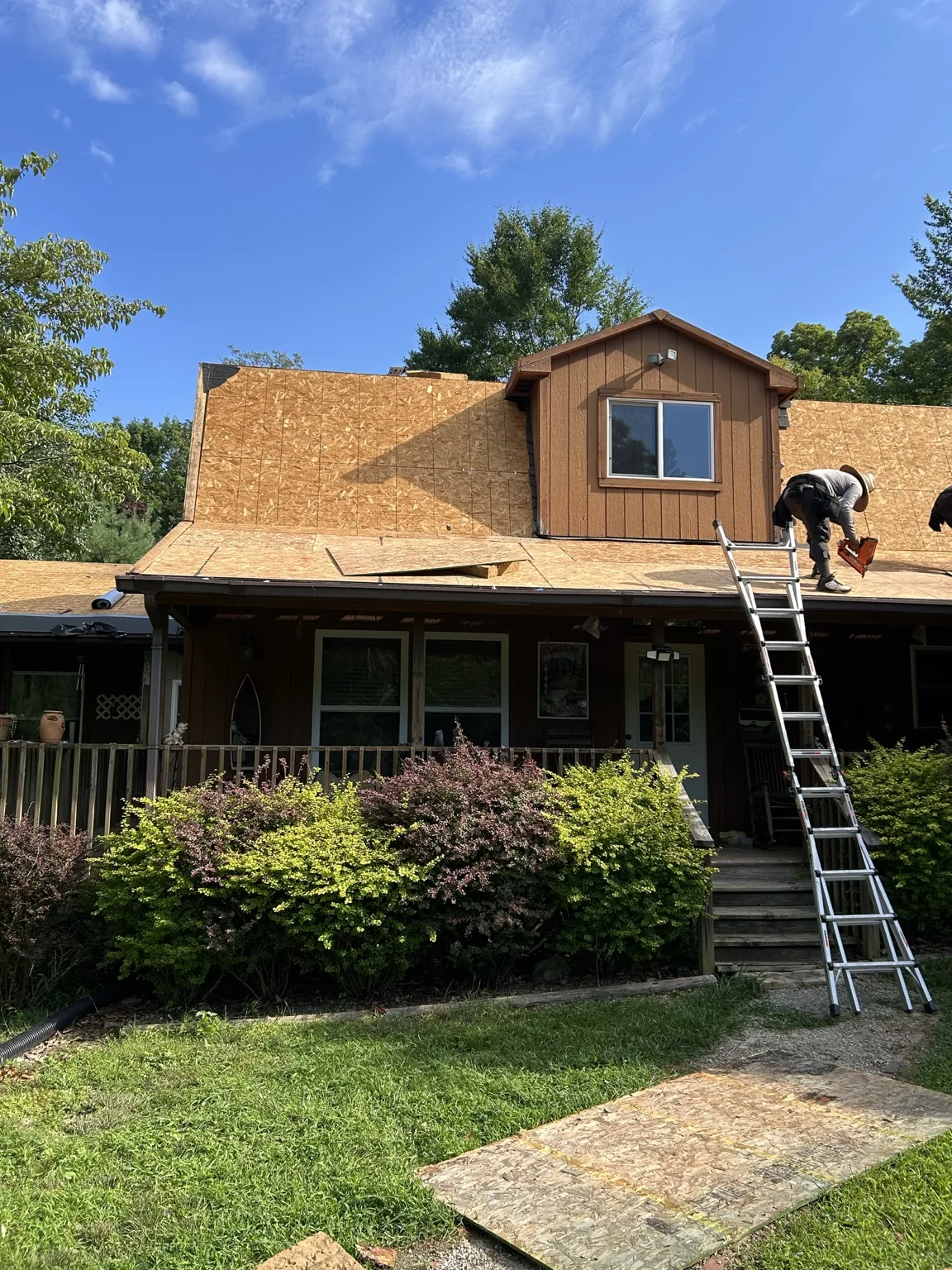
What to watch for across Putnam County
Across Putnam County, roofs take on year-round Indiana weather, so the same core components tend to show the first signs of trouble: shingles, flashing, penetrations, attic ventilation and drainage. Early warning signs are usually easier and cheaper to solve than problems that are ignored until the roof leaks indoors.
What an inspection should explain
A solid inspection should identify active leaks or storm damage, show you the condition of key roofing components, explain whether the issue is isolated or widespread, and give you a clear recommendation for repair or replacement. Good estimates also spell out materials, scope, cleanup and warranty information in writing.
Planning repairs or replacement
If the issue is small and isolated, targeted repairs may be the right solution. If the roof has repeated leak history, widespread damage or obvious age-related wear, replacement may be the better long-term value. The important thing is to compare real condition and scope, not just the lowest number on a quote.
Helpful links
Need roofing help in Putnam County?
Call or text (317) 903-8298 for a free estimate. We serve Putnam County and surrounding communities from Cloverdale.
Quick answers
What roofing services are most common in Putnam County?
Property owners in Putnam County most often ask about leak repairs, shingle replacement, full roof replacement after age or storm damage, and inspection help after wind or hail events.
How do I know when to schedule a roof inspection in Putnam County?
If you notice interior staining, missing shingles, active leaks, storm damage, sagging, poor drainage or your roof is simply getting older, it is worth scheduling an inspection so you can understand priorities before the damage spreads.